Pest Only Inspections
Pest inspections across Sydney focused on visible timber pest activity, termite risks, timber damage and pest-conducive conditions without the building inspection component.
Need an inspection? Send us the details and we’ll get back to you with availability, pricing and the next steps.
Don’t Let Timber Pest Damage Stay Hidden
Timber pest issues are not always easy to see during a quick walkthrough. Termite activity, timber damage, moisture problems and pest-conducive conditions can sit behind walls, under floors, in roof spaces or around external areas before becoming obvious.
A pest only inspection helps buyers, sellers and property owners understand visible timber pest risks without adding a full building inspection component. It is useful when the main concern is termite activity, timber damage, moisture-related risk or pest conditions that may need further attention.
Identify visible timber pest activity signs
Check termite damage and risk areas
Review moisture and pest-conducive conditions
Get clear pest-focused reporting without building inspection coverage
Key Areas Reviewed in a Pest Only Inspection
A pest only inspection focuses on visible signs of timber pest activity, termite damage and conditions that may increase pest risk. The inspection is designed to help you understand pest-related concerns across accessible areas of the property.

Termite Activity Signs
Checking visible termite leads, mud tubes, damaged timber, frass, hollow-sounding areas and other pest activity indicators.
Timber Damage
Reviewing visible timber damage, deterioration, soft areas, surface changes and areas that may need further pest investigation.
Moisture and Ventilation
Checking visible moisture, dampness, poor ventilation, drainage concerns and conditions that may attract timber pests.
Subfloor and Roof Space Areas
Inspecting accessible subfloor and roof space areas for visible pest risks, timber damage and conducive conditions where safe.
External Pest Risk Areas
Reviewing visible garden edges, timber contact, fences, stored materials, drainage areas and other pest-conducive conditions.
What We Look For During the Inspection
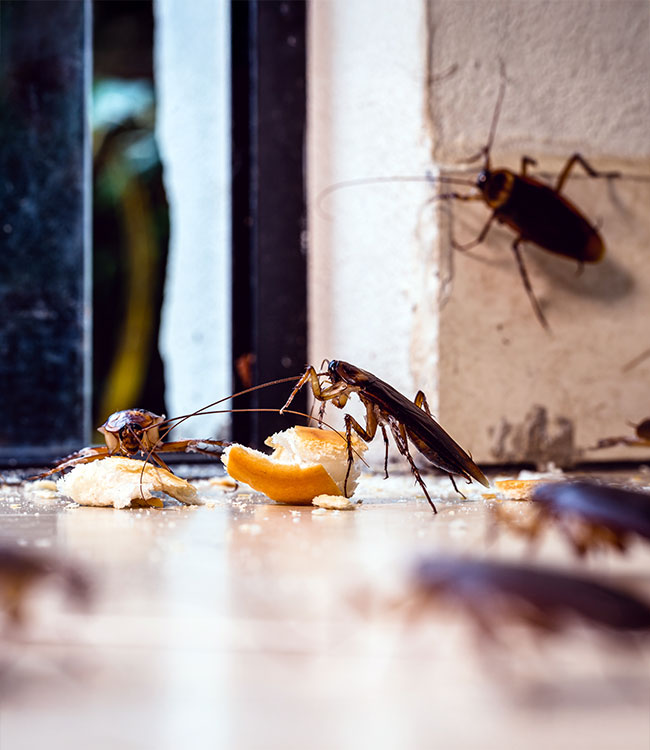
Our pest only inspections focus on visible timber pest activity, timber damage and conditions that may increase pest risk across accessible areas. The aim is to provide clear pest-focused findings without including a full building inspection component.
- Visible termite activity signs
- Timber damage or hollowing
- Mud tubes or termite leads
- Moisture-prone areas
- Subfloor pest risks
- Roof space timber concerns
- External timber contact
- Drainage or ventilation concerns
- Garden and boundary risks
- Items needing further review
Our Inspection Process
01
Book Inspection
Choose a time that suits your schedule.
02
On Site Assessment
We carry out a detailed inspection using advanced tools to assess all key areas.
03
Report and Consultation
Receive a clear report within 24 hours, followed by guidance on findings and next steps.
Clear Reports You Can Use
After the inspection, you receive a clear pest only inspection report outlining visible timber pest activity signs, timber damage concerns and pest-conducive conditions. The report can help you understand the issue, raise questions and decide whether further pest treatment or specialist advice is needed.
- Photos of relevant pest concerns
- Clear notes written in plain language
- Practical comments on visible pest risks
- Easy-to-follow inspection findings
- Useful information before buying, selling or treating
- Guidance on items that may need further investigation
Who We Help
Inspections for Buyers, Builders, Owners and Businesses
SKS Building Consultancy supports people who need clear, independent advice before buying, leasing, building, handing over or managing a property.
Homeowners
Get clarity before, during or after a new build, renovation or handover.
Property Buyers
Understand visible defects and property condition before committing to a purchase.
Commercial Tenants
Check the condition of a property before signing or exiting a lease.
Business Owners
Identify building issues across offices, warehouses, retail spaces and industrial sites.
Investors & Developers
Make informed decisions with practical inspection findings before moving forward.
Book Your Inspection Today
Get clear, independent advice before you buy, build, lease or move forward with a property.
Need a Property Inspection?
Tell us what you need inspected and our team will get back to you with clear next steps.
Frequently Asked Questions
What is a pest only inspection?
A pest only inspection is a property inspection focused on visible timber pest activity, termite risks, timber damage and pest-conducive conditions. It does not include a full building inspection component.
When should I book a pest only inspection?
You can book a pest only inspection before buying, selling, treating, maintaining or investigating a property where termite or timber pest concerns need closer attention.
Does this include a building inspection?
No. A pest only inspection focuses on pest-related findings. If you also need visible building defects checked, a building and pest inspection may be more suitable.
What areas are checked during a pest inspection?
The inspection may include accessible internal areas, external areas, roof spaces, subfloor areas, timber elements, moisture-prone areas, garden edges and other locations where timber pest risks may be visible.
Do I receive a report after the inspection?
Yes. You receive a clear report with photos, notes and practical comments on visible timber pest activity signs, timber damage and pest-conducive conditions identified during the inspection.

Providing independent building inspections across Sydney with clear reports, practical advice and reliable support.